
U.S. Office Attendance Reaches Post-Pandemic High
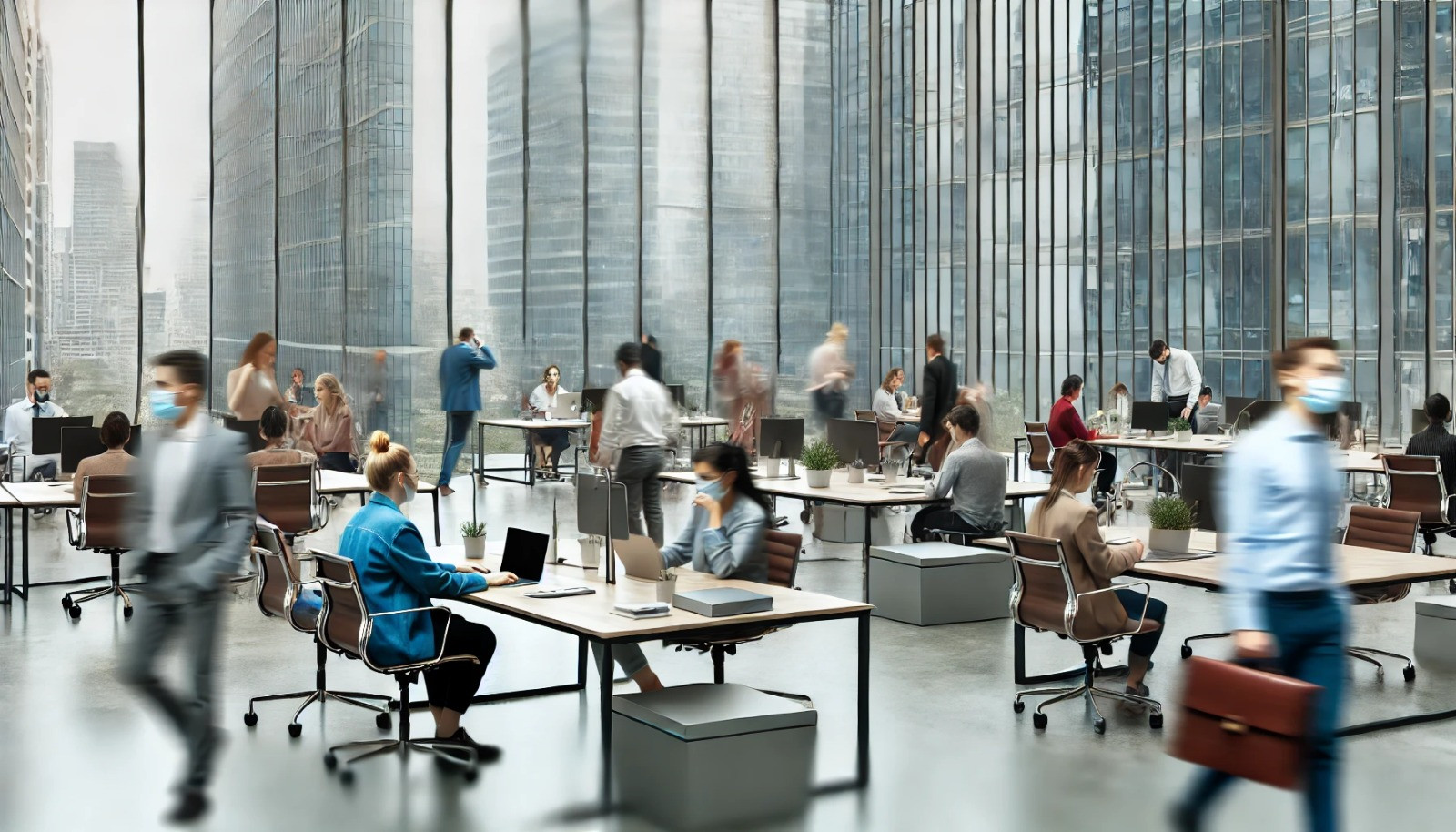
Good news for the U.S. office market: In June 2024, office attendance rates hit their highest level since the pandemic began, with Placer.Ai’s office index surpassing 70 percent of pre-pandemic levels. This milestone signifies a major shift in workplace dynamics as hybrid work schedules become the norm. Peak-day occupancy is now estimated to be around 80-90 percent of pre-pandemic levels nationally, reflecting a notable return to office trends across various sectors.
By 2023, most private companies had established new attendance policies, though some are still refining strategies to boost office attendance. Amazon, for instance, recently introduced a new policy mandating a minimum number of office hours. Similarly, Salesforce has raised its in-office requirement from three days to four or five days for most employees. These changes highlight a broader push in the private sector to encourage more frequent in-person collaboration and presence.
Private companies increasingly recognize the value of office work, particularly for team collaboration, innovation, and company culture. As a result, they are making concerted efforts to bring employees back to the office more regularly. This trend indicates that while hybrid work offers flexibility, face-to-face interactions remain crucial for maintaining strong organizational dynamics.
Even the public sector, traditionally slower to adopt hybrid policies, is aligning more with the private sector’s approach. By 2024, most federal agencies have implemented two to three-day hybrid requirements, and state governments like those in California and Nebraska have introduced return-to-office policies. The City of Philadelphia has even mandated full-time office attendance for all city employees.
June data suggests that hybrid work models will likely remain a dominant feature of the workplace. Organizations are recognizing the need for a balance between flexibility and physical presence to sustain productivity and collaboration. Increasing employee satisfaction with hybrid arrangements indicates that this model may offer a sustainable and effective approach to modern work.